Warm weather means many of us are getting out and enjoying the great outdoors. The warm weather also brings out ticks, small bugs that bite and feed on the blood of humans and animals and can sometimes transmit disease.
Ticks are most often found in tall grass and wooded areas. Fortunately, there are precautions people can take to prevent illnesses that may be transmitted from tick bites.
Most (about 98%) Lyme disease cases are associated with the bite of the nymphal stage of the blacklegged tick, of which 10-36% may be infected with Lyme disease spirochetes.
Nymphal blacklegged ticks are very small (about the size of a pinhead), difficult to spot, and are active during the late spring and summer months when human outdoor activity is greatest. The majority (about 75%) of Lyme disease cases are associated with activities (play, yard or garden work) around the home.
Adult blacklegged ticks are active in the fall, warmer days in the winter, and in the spring when outdoor activity and exposure is more limited. They are larger, easier to spot, and therefore associated with fewer cases of Lyme disease (even though infection rates are higher).
Although tick repellents and pesticides for use on skin, clothing, or in the yard are considered safe and effective when used as directed, many people are reluctant to use them. In order to provide other options, scientists have been developing all-natural chemical compounds made from plants that can repel or kill ticks.
Below is the list of some natural products that can be used on your skin or yard and lawn to repel ticks:
Do not neglect the most important ways to reduce the risk of tick illnesses is to do a skin check on yourself, your children, and your pets after being outdoors. Other precautions include:
To keep those nasty ticks from entering your home and yard, try these steps:
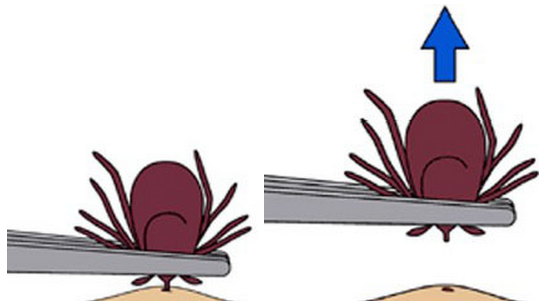
If you find a tick on yourself, a family member, or pet, wear gloves and gently remove it. Be careful not to crush the tick as this could cause it to inject its stomach contents into your skin. If you find a tick, check very carefully for others. Other tips to remove ticks safely include:
Preventive measures are often considered inconvenient and, in the summer, uncomfortable. Despite the efficiency of tick repellents, particularly with DEET applied to skin and permethrin applied to clothing, they are under-utilized.
Personal protection behaviors, including avoidance and reduction of time spent in tick-infested habitats, using protective clothing and tick repellents, checking the entire body for ticks, and promptly removing attached ticks can be very effective methods for the prevention of tick associated disease.
Whenever you're on the look out for scientists and other notable people who have immensely…
The ketogenic diet has become very popular lately. You may be asking yourself why because…
Breast cancer is a type of cancer that can form in the cells of the…
Health Benefits of Regular Exercise It is most likely that you must have heard about…
2018 Most Popular Kids Toys for Holidays We have discovered the most popular, trendy and…
I will start off by stating that people’s lifestyle play a predominant role in the risk…